Commercial Plumbing Code Compliance in Minneapolis: What Building Owners Need to Know in 2026
Staying on top of commercial plumbing code requirements is one of the most important responsibilities a building owner in Minneapolis, MN carries. Contact us at
(763) 784-8178 to speak with a licensed expert about your facility's compliance needs. This article covers the Minnesota State Plumbing Code as it applies to commercial properties, including permit requirements, inspection stages, common violations, and what restaurants and healthcare buildings need to know in 2026.
Why Commercial Plumbing Code Compliance Matters in Minneapolis
Code compliance protects your tenants, your investment, and your business license. Minneapolis enforces Minnesota Rules Chapter 4714 alongside guidelines from the city's Community Planning and Economic Development (CPED) division. Non-compliance can mean fines, failed inspections, and costly emergency repairs. Keeping your systems up to code from the start is far less expensive than addressing violations after the fact.
Permit Requirements for Commercial Plumbing Projects
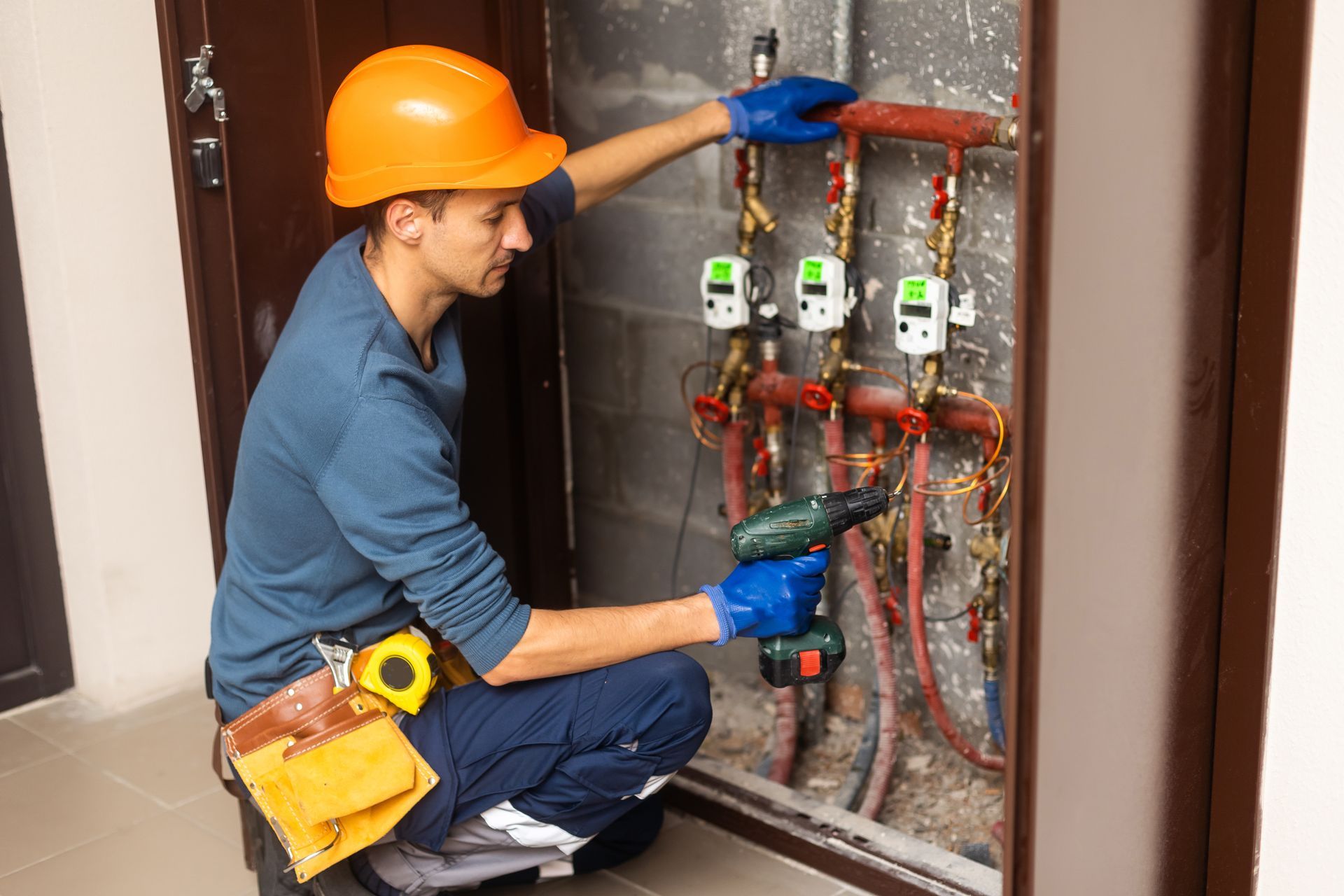
Every commercial plumbing project in Minneapolis requires a permit before work begins. Permits are required for any installation, addition, extension, alteration, or replacement of a plumbing system — whether you are renovating a break room, adding fixtures to a tenant space, or upgrading a boiler. Only a licensed plumbing contractor or other authorized license holder may apply. Unlicensed work is among the top violations cited by the Minnesota Department of Labor and Industry (DLI), and civil penalties can be significant.
For most commercial projects, a plan review is also required. New commercial buildings and existing buildings with major plumbing work — including those with 20 or more fixtures or any food and beverage operation such as restaurants, grocery stores, schools, and daycares — must submit plans through the city's ProjectDox platform before permits are issued. The city estimates an initial review time of approximately 15 business days, so factor that into your timeline early.
Note: a permit becomes null and void if work does not commence within 180 days of issuance, or if work is suspended for 180 days after it begins.
Inspection Stages You Need to Know
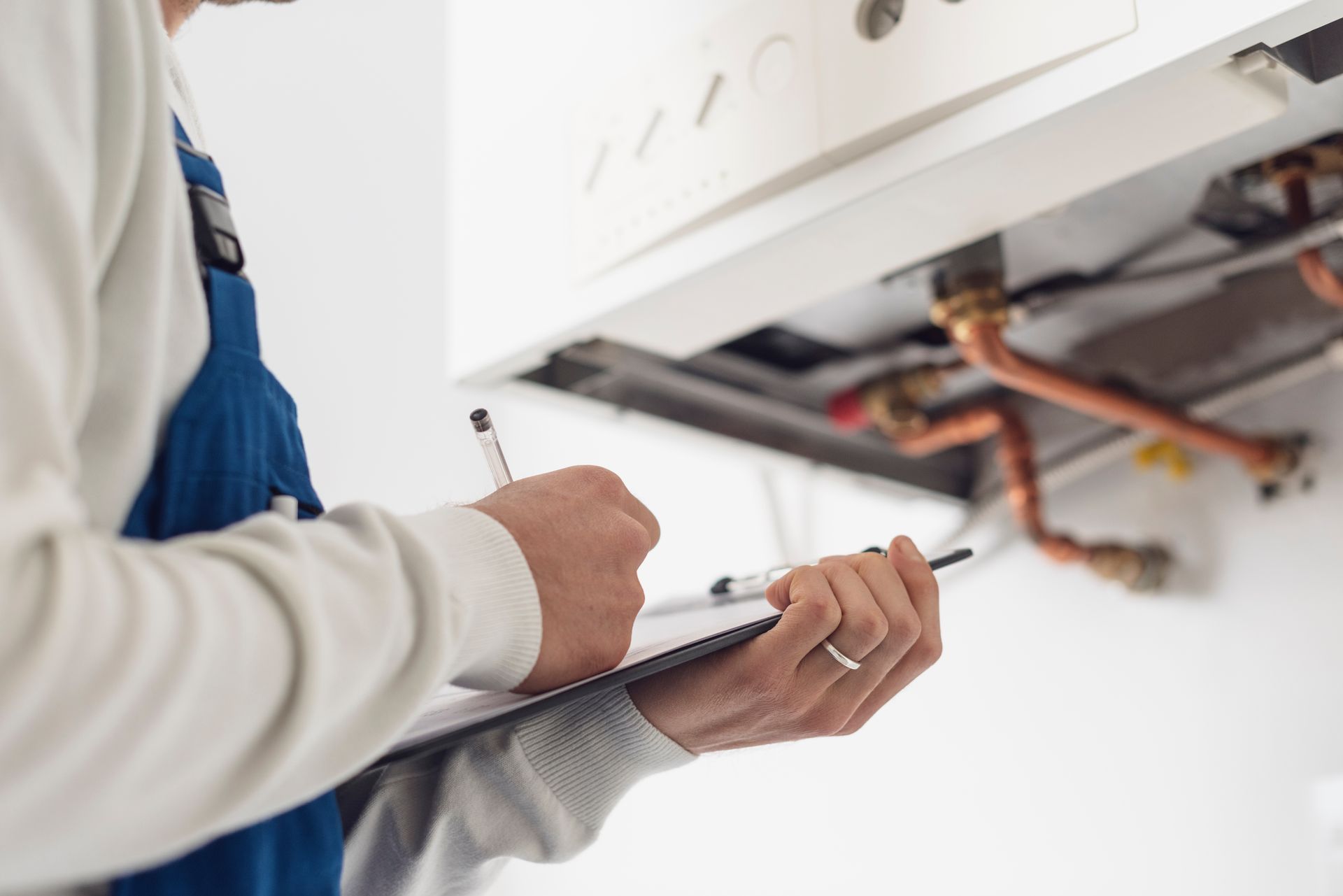
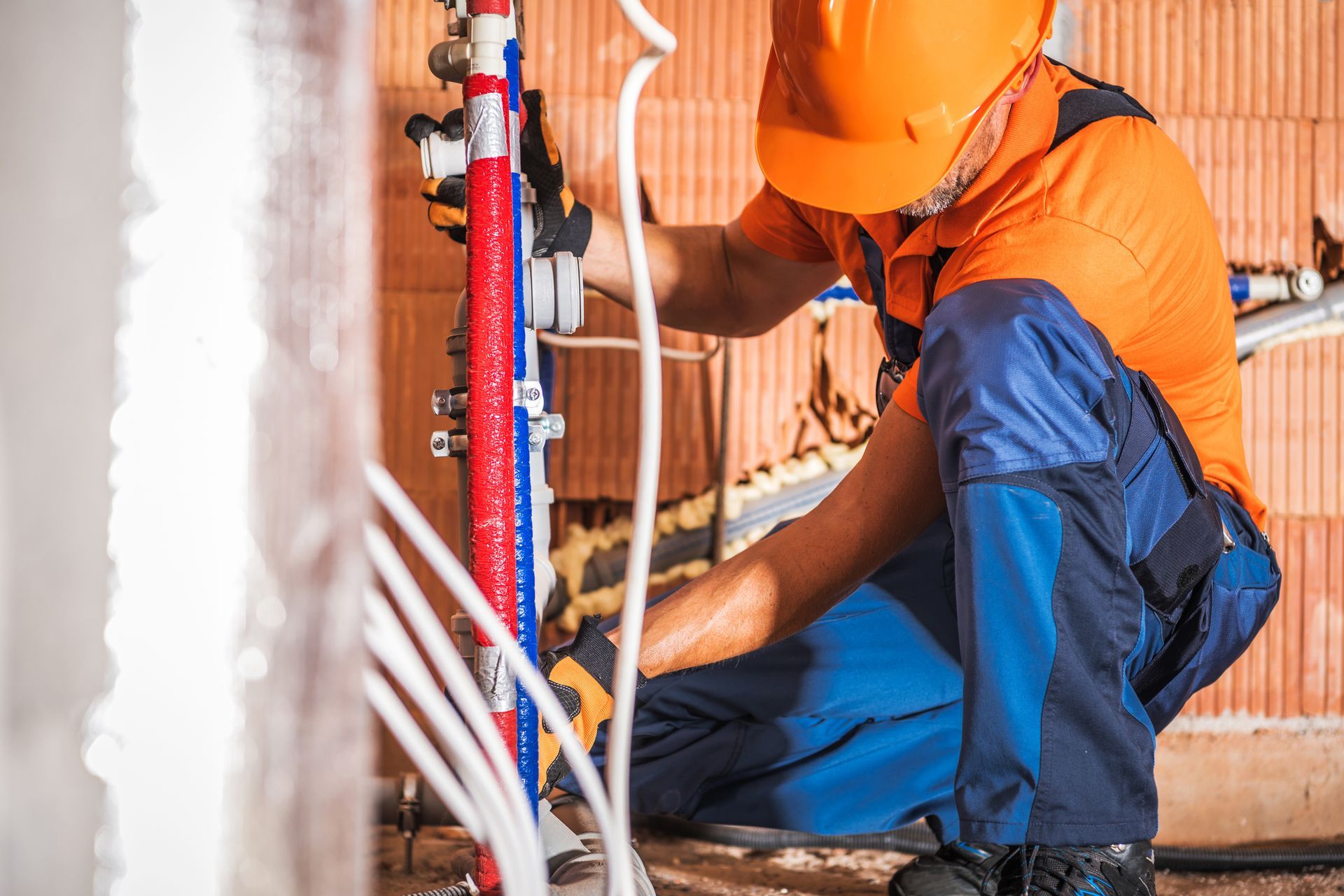
Three key inspection stages apply to commercial plumbing work in Minnesota: a rough-in inspection before any work is concealed, a pressure testing inspection before insulation or wall closure, and a final inspection once work is complete. All projects must pass the final inspection for the permit to close out.
In Minneapolis, the city's Building Safety Division handles building, plumbing, and mechanical inspections. Electrical inspections are handled separately by the State of Minnesota. Knowing which agency handles which inspection prevents scheduling delays.
Facility-Specific Rules for Restaurants and Healthcare Buildings
Food Service Establishments
Restaurants and food-related businesses face stricter plan review requirements. Any food and beverage operation must submit plans through ProjectDox regardless of fixture count. Grease interceptor installation and maintenance are required to keep fats, oils, and grease out of the municipal sewer system. Backflow prevention devices must be installed and certified, and three-compartment sinks must be correctly plumbed with hot and cold water at required temperatures. A single violation in these areas can trigger a corrective action order.
Healthcare Facilities
Medical gas systems in healthcare facilities follow NFPA 99, the Health Care Facilities Code, as adopted in Minnesota Rules. For projects involving more than 5,000 square feet of new construction or any healthcare occupancy, DLI's State Plumbing Unit conducts a mandatory plan review. This oversight exists because patient safety depends directly on properly functioning, contamination-free plumbing systems.
Common Violations That Affect Building Owners
The top violations cited by DLI include unlicensed activity, inadequate supervision of plumbing work, and permit and inspection failures. Common technical violations in commercial settings include improper backflow prevention, undersized drainage systems, and grease interceptors that are not properly maintained or sized. Minneapolis has also historically enforced stricter local standards on lead remediation, water efficiency, and grease management beyond the state baseline. Working with a contractor who understands both state code and local enforcement reduces the risk of a failed inspection.
How a Licensed Contractor Handles Compliance for You
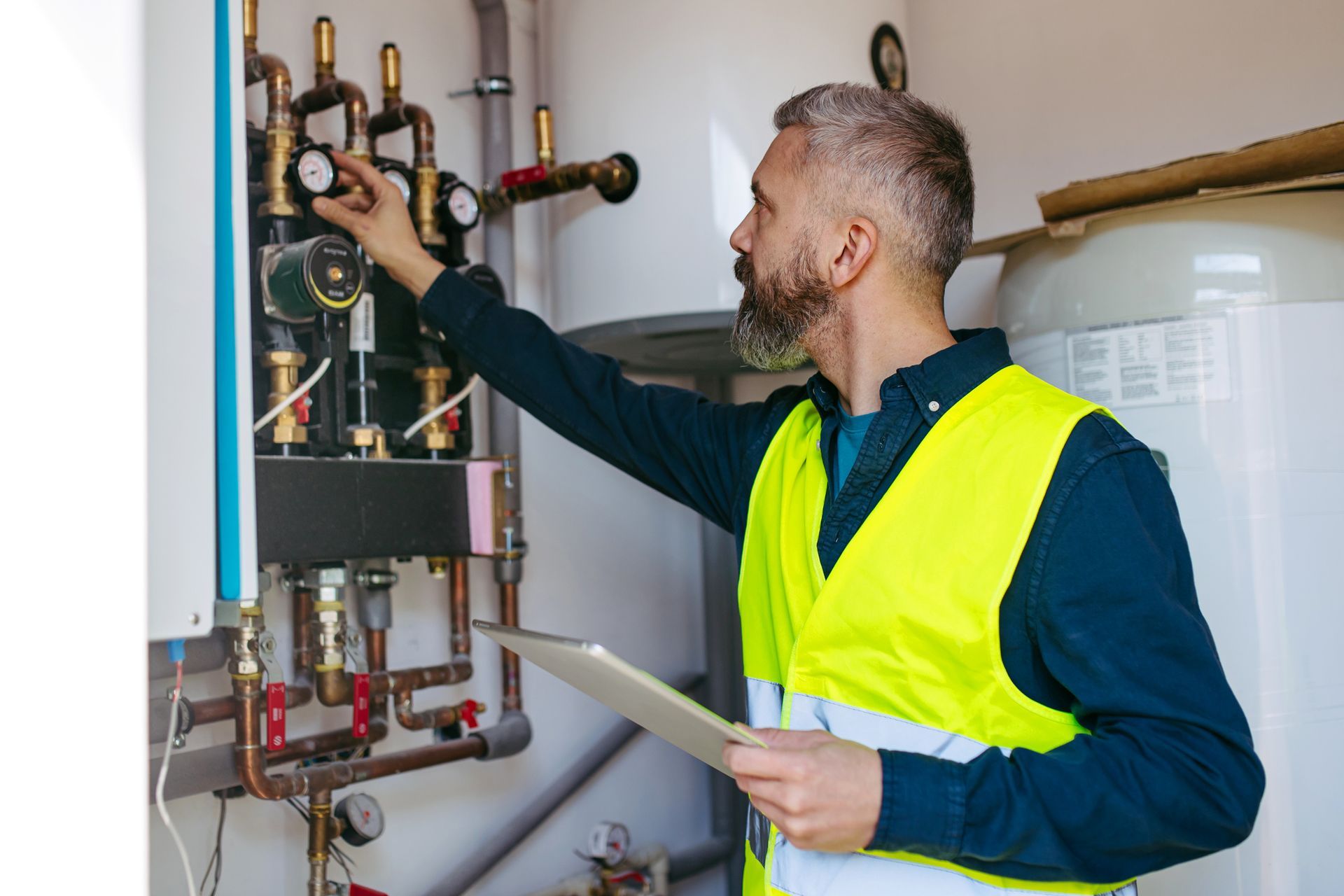
A licensed plumbing contractor pulls the permits, submits the plans, coordinates inspection scheduling, and ensures all work meets Minnesota Rules Chapter 4714. They also know when DLI's State Plumbing Unit must conduct the plan review versus when the city handles it locally. Before committing to any contractor, verify their license through the Minnesota DLI and confirm they hold the appropriate commercial plumbing contractor license. The licensed entity performing the work is generally responsible for pulling the trade permit, which also affects liability exposure.
Partner With a Team That Keeps Your Building Code-Compliant
Serving Minneapolis, MN, and the greater Twin Cities metro, Boiler Services, Inc. is a licensed and bonded commercial plumbing contractor with more than 20 years of experience serving commercial and industrial properties across Minnesota. Whether your facility is a healthcare center, restaurant, school, or office building, our team handles the full compliance process from plan submittal to final inspection.
You can also view our Google Business Profile to see why Twin Cities building owners trust us for licensed, code-compliant service. Call us at (763) 784-8178 or send us a message to get started today.